
Why waterfowlers keep a log
Duck hunting runs on conditions. The same spot can be empty on a calm bluebird morning and busy on a cold, windy one, and after a few seasons the details blur together. A log turns those mornings into something you can read back: which wind suited which spot, when the birds showed up, and what you were shooting. Waterfowlers and the people who manage duck land have long kept them for exactly that reason. It's the same habit as keeping a hunting journal, tuned for the marsh.
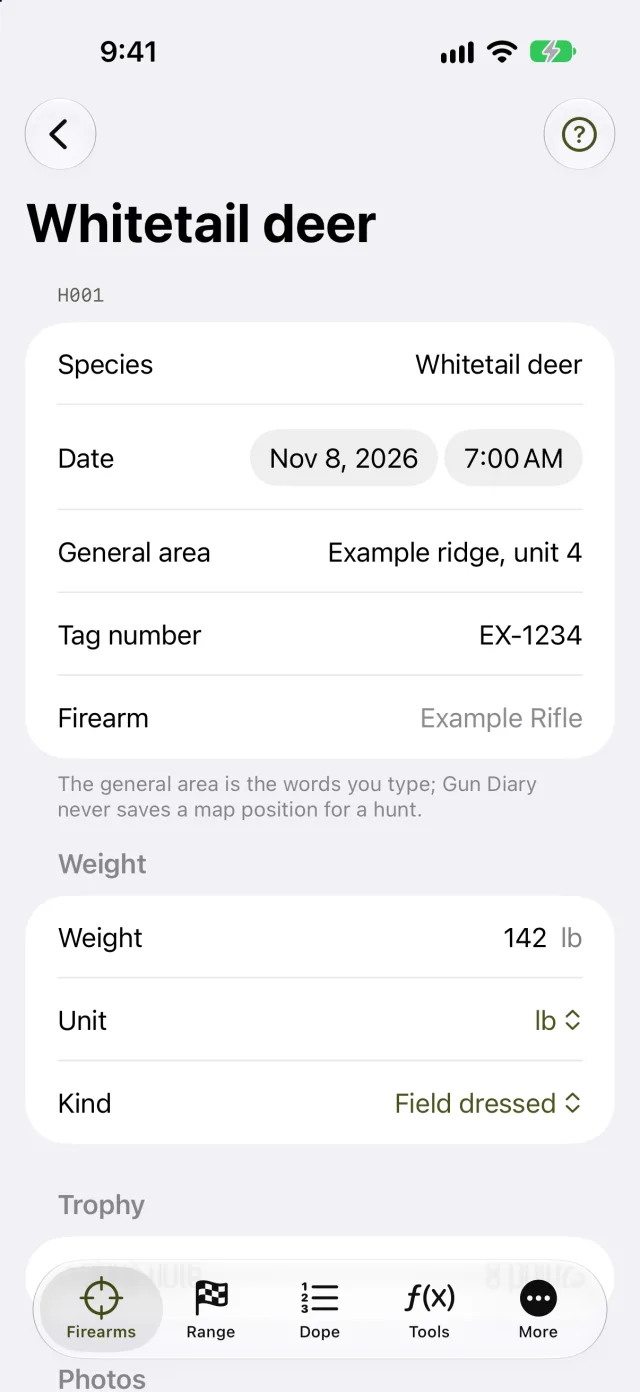
What to write in a duck hunting log book
A duck hunting log book needs fewer columns than the ones for sale suggest. Seven items cover nearly everything a waterfowler looks back for, and none takes more than a line. Fill them in the same day, at the truck or at home, while the morning is fresh. If a column never gets used after a season, drop it; a short log you keep beats a long one you abandon.
Seven things to record after every hunt
Date and time
When you set up and when the birds actually moved.
Spot, in words
The pond, field or blind, written the way you'd say it.
Wind and weather
Wind direction and speed, temperature, sky and any front coming through.
What flew
Species seen, rough numbers, and whether they worked the decoys.
What you took
Each bird by species, plus any band number.
Gun, choke and shells
The shotgun, the choke tube and the shells you shot.
Notes
The spread, calling, who hunted with you and anything worth remembering.
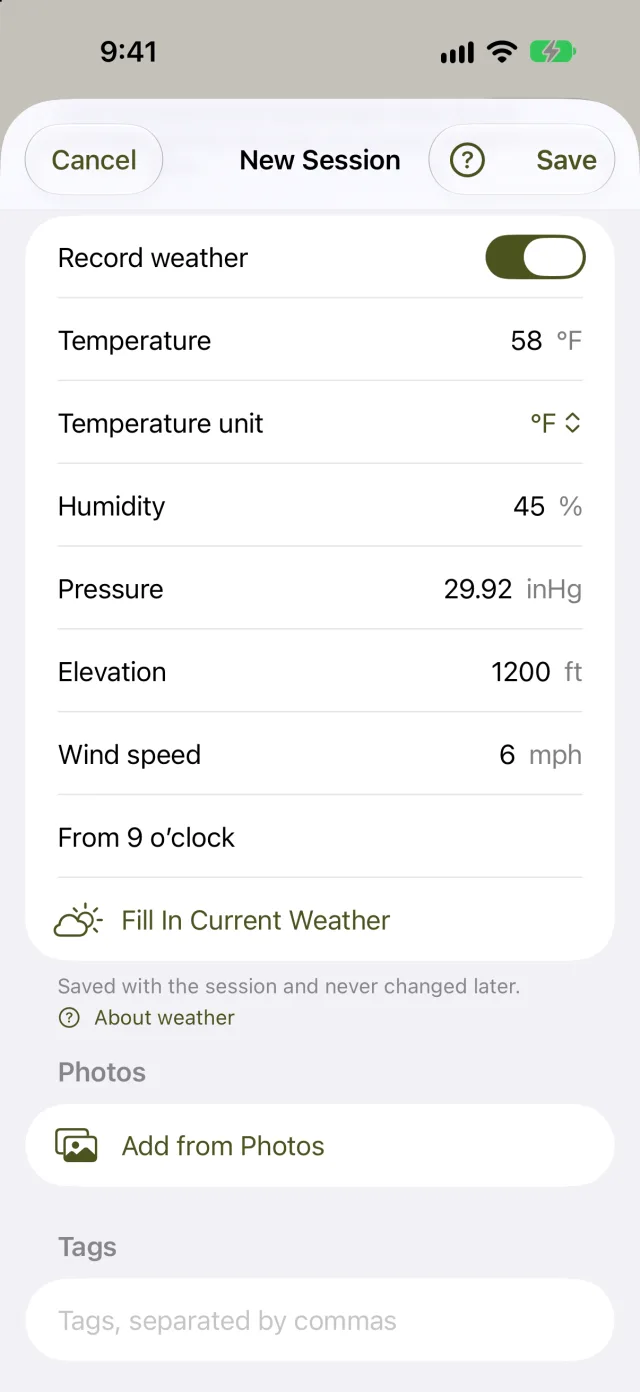
Wind and weather: the column that pays off
If you only keep one column well in your duck hunting log book, make it the weather. Write the wind direction and speed, the temperature, and whether it was clear, overcast or raining. Picture a hunter reading back three seasons of a waterfowl hunting log book and noticing that most of the good mornings at one spot came on a north wind. That's not a rule for anyone else's marsh, but it's a pattern in their own records they'd never have trusted from memory. Slow days belong here too, or the pattern only shows the good mornings.
Banded birds deserve their own line: the band number, the date and the spot. Bands are reported to the USGS Bird Banding Laboratory, and having the number written down means nothing is lost if the band goes in a drawer. What your state asks hunters to record or report, and everything about seasons and limits, is up to your state wildlife agency, so check there; a duck hunting journal is your own record, not a legal one.
Before and after the hunt.
A paper duck hunting log book or your phone?
A leather notebook in the blind bag is a fine way to do it, and some hunters wouldn't have it any other way. Paper has two weak spots for waterfowlers: water, and finding things later. Looking up every hunt on a north wind, or every bird from one pond, means paging through years by hand. A phone keeps the same entries and adds search, photos and a copy that survives a dunking. Whichever you pick, the duck hunting log book only works if every hunt goes in, blank days included.
Keeping a waterfowl hunting journal in Gun Diary
Gun Diary is a shooting logbook for iPhone and iPad, and its Quick Hunt Log is built for after the hunt. Pick the shotgun and the shells, set the date, and type the spot in words; it never saves a map position. Add a shot or two if you like, then the harvest: type your own species, like Mallard, with the band number in the notes. The hunt is saved as a session, where Add Harvest records more birds and the session weather keeps the wind direction, speed and temperature.
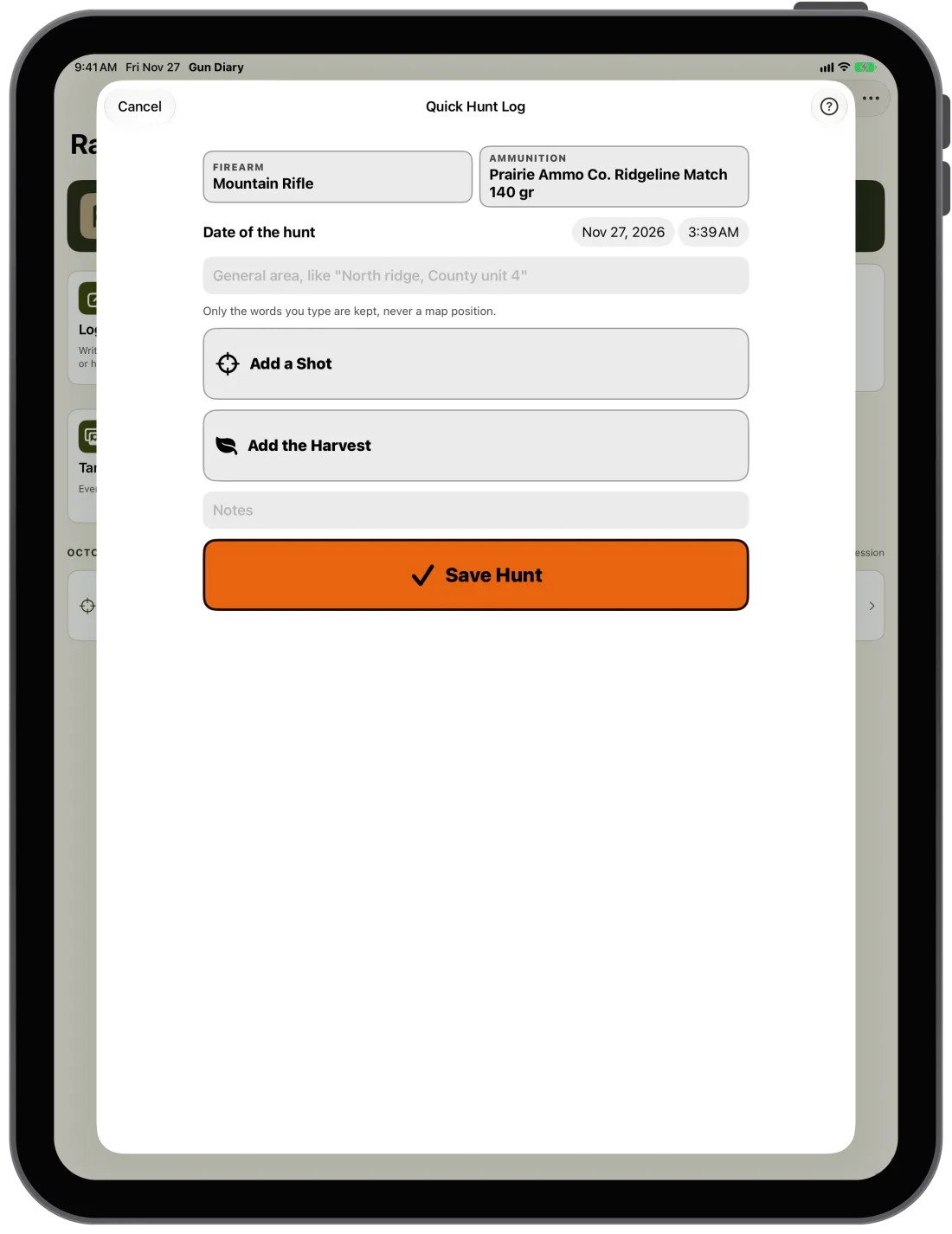
The Hunt Log lists every hunt by season, with a species filter. Seasons follow the calendar year, so a season that runs past New Year shows under two years. The shotgun's pattern records sit with the same gun, so the choke and shells you hunt with can be traced to the patterns you shot, as in our guide on how to pattern a shotgun. Everything stays on your device and in your own iCloud, with no account. The screens shown are the app's demo diary.
The bottom line
So, what belongs in a duck hunting log book?
The date, the spot in words, the wind and weather, what flew, what you took with any band numbers, the gun, choke and shells, and a few notes, written the same day for every hunt. That's a duck hunting log book you'll still be reading in ten seasons, on paper or on a phone. For the shot-by-shot side, see our guide to a hunting log for every shot. Gun Diary keeps your hunts with the shotgun's other records, the hunt log is free, and one firearm is free forever.
Gun Diary keeps the records you enter. It never predicts bullet drop, wind or a trajectory; your dope is what you proved on paper. Always follow safe firearm handling.
Worried about losing years of records?
No account and no server: your diary lives in your own iCloud, and Export All Data gives you every record and photo, free, any time.
See how your data is keptComing soon to the App Store